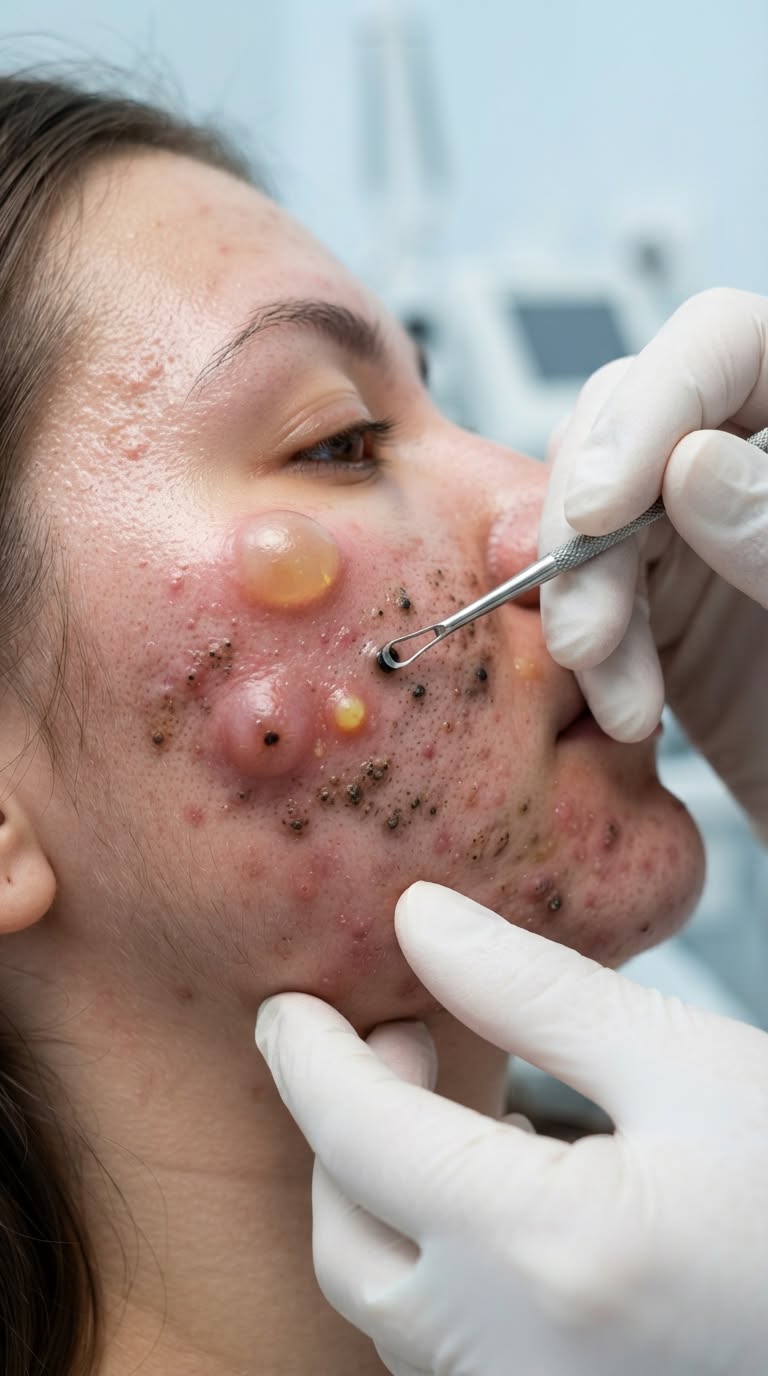

Taking care of facial skin does not need to involve complicated routines or expensive products. Simple daily habits can help maintain comfortable, healthy-looking skin while supporting a balanced approach to common concerns such as pimples.
By understanding the importance of gentle cleansing, regular moisturizing, and mindful everyday choices, anyone can begin building a skincare routine that fits naturally into daily life.
Pimples are a common skin concern that can appear at different stages of life. They may develop when pores become clogged with oil, dead skin cells, and other materials. Hormonal changes, stress, certain skincare products, and individual skin characteristics can also influence how often pimples appear.
Although pimples are normal, it is understandable to want a routine that helps the skin feel clean and comfortable. Rather than trying several products at once, a simple and consistent approach can make daily skincare easier to manage. Every person’s skin is different, so finding suitable habits may require patience and a little experimentation.
Washing the face is an important part of everyday skincare. A mild cleanser can help remove excess oil, sweat, and dirt that collect throughout the day. Using lukewarm water and gently massaging the cleanser over the skin is usually more comfortable than scrubbing vigorously.
Cleansing once in the morning and again before bed works well for many people. After exercise or activities that cause sweating, gently washing the face can also help remove perspiration and surface impurities. However, frequent washing and harsh scrubbing may leave the skin feeling dry or irritated.
Choosing products suited to personal skin needs is equally important. Fragrance-free or non-comedogenic options may be helpful for people who prefer a straightforward routine.
Moisturizing is useful even for people whose skin tends to become oily. A lightweight moisturizer can help support the skin’s natural moisture barrier and reduce feelings of tightness after cleansing. Products labeled non-comedogenic are designed to be less likely to clog pores, making them worth considering when choosing facial care products.
Daily sun protection is another valuable habit. A broad-spectrum sunscreen with SPF 30 or higher helps protect skin from ultraviolet exposure. Selecting a comfortable formula can make sunscreen easier to include in the morning routine.
Touching the face repeatedly can transfer oils and other materials from the hands to the skin. Picking, squeezing, or scratching pimples may also increase irritation and raise the risk of marks or scarring. Keeping hands clean and allowing blemishes to settle naturally is generally a gentler choice.
It can help to keep nails trimmed and develop alternative habits when there is an urge to touch the face. Small changes like these can make a daily routine more comfortable without requiring dramatic lifestyle adjustments.
Healthy facial care is about steady habits rather than perfection. Getting enough rest, eating a varied and balanced diet, managing stress, and staying hydrated can support general well-being alongside a suitable skincare routine.
Introduce new products gradually and pay attention to how the skin responds. If pimples are persistent, painful, or leave lasting marks, a qualified healthcare professional or dermatologist can provide personalized guidance.
With gentle cleansing, appropriate moisturizing, sun protection, and less unnecessary touching, everyday skincare can become a simple and manageable part of self-care. Patience and consistency help create a practical foundation for comfortable, healthy-looking skin.